50th Anniversary
of the Barcelona Convention
Mediterranean Coast Day 2026:
Nature-Based Solutions for Resilient Coasts
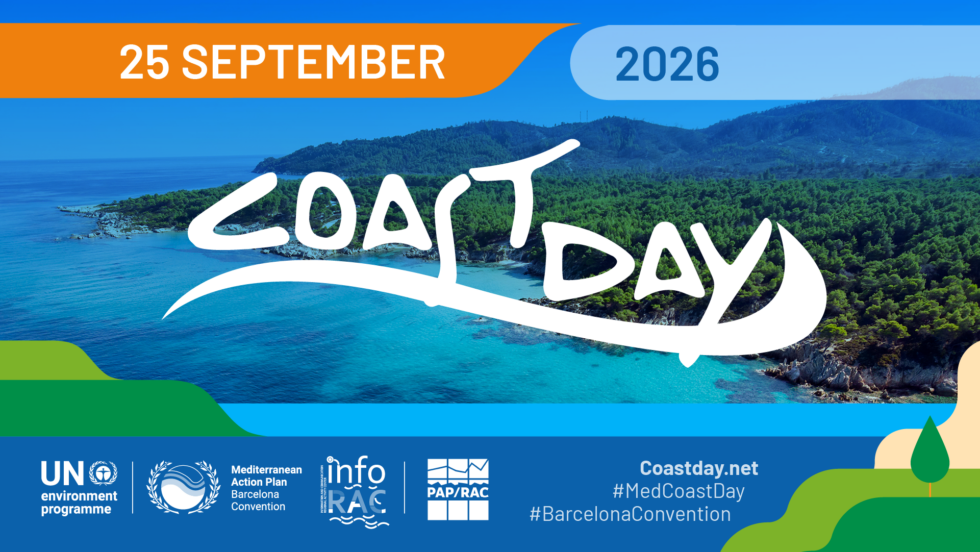
The new edition of Coast Day 2026, the annual Mediterranean Coast Day, took place last 25 September in Larnaca, Cyprus. This year’s event focused on Nature-based Solutions – solutions that harness nature to strengthen the resilience of coastal areas.
Every year, Mediterranean Coast Day brings together institutions, experts, communities and citizens to promote coastal protection and encourage concrete action to enhance coastal resilience.
The Euro Mediterranean Water Forum
Rome will host the Euro Mediterranean Water Forum from 29 September. Organized by the One Water Committee, with the support of CIHEAM Bari, in collaboration with the Union for the Mediterranean (UfM) and the Mediterranean Water Institute of Marseille, the event, scheduled to run until 2 October, will be a true platform for dialogue among policymakers, civil society, academia and businesses.
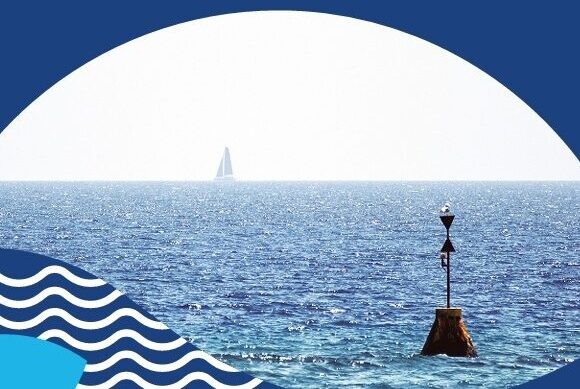
New SPA/RAC Publication: Nature-based Solutions for Climate Change Adaptation in the Mediterranean
The new SPA/RAC publication, entitled Assessment of Nature-based Technical Solutions to Prevent or Reduce the Impact of Climate Change on Coastal and Marine Ecosystems and Increase Their Resilience in the Mediterranean Region, analyses the role of Nature-based Solutions (NbS) in preventing and reducing the impacts of climate change on marine and coastal ecosystems and in strengthening their resilience in the Mediterranean region, which is increasingly subject to climate change-related pressures.
Nature-Based Solutions for Stormwater Management in Lebanon
Climate change and increasing urbanization are increasing the challenges related to stormwater management in Lebanon. At the same time, rainwater represents a non-conventional water resource that remains largely underutilized.
To address these challenges, the WES-BCA project, in collaboration with the Ministry of Energy and Water of Lebanon, organized last 8 September a workshop entitled “Design of Nature-Based Solutions (NBS) in a Pilot Area in Lebanon”, dedicated to its water-related activity.

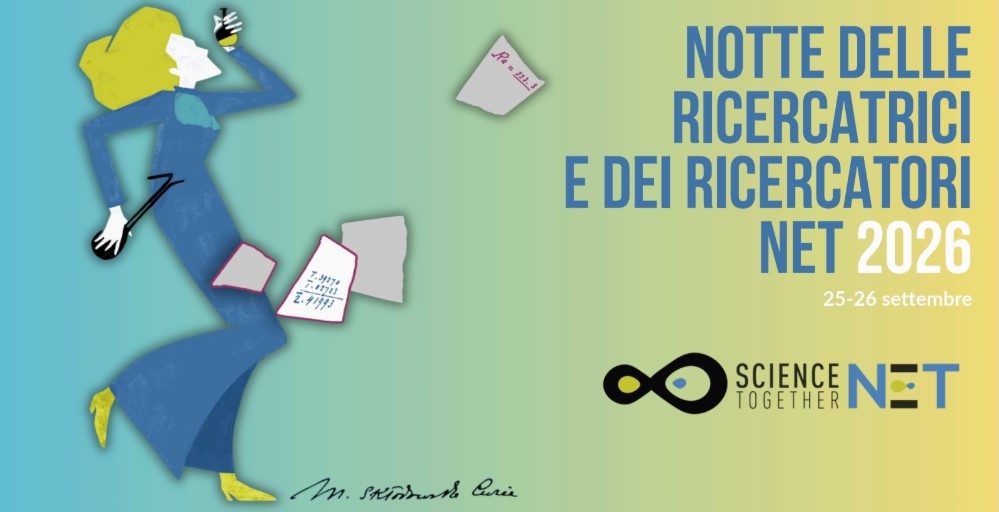
GaMED at the European Researchers’ Night 2026
GAMed (Mediterranean Action Game), the educational board game designed and developed by INFO/RAC in collaboration with ISPRA, will be presented at the European Researchers’ Night, which will take place in Rome at the Città dell’Altra Economia on 26 and 27 September.
Visitors will have the opportunity to play GAMed, the educational game focusing on the protection of the Mediterranean Sea and its coastal areas. Designed for students aged 14 and over, the game combines challenge and learning, encouraging active participation through quizzes, questions and explanations, with the support of facilitators.
The Mediterranean on a Giant Interactive Map
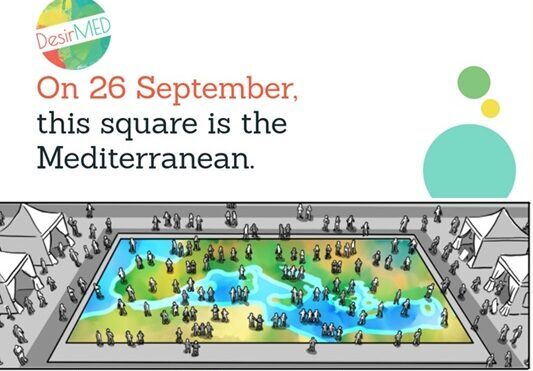
Have you ever thought about walking across the Strait of Sicily? Or walking from the coast of Portugal all the way to Cyprus? Now, thanks to the DesirMED Giant Interactive Map, it will be possible.
As part of Mediterranean Coast Day 2026, which will take place in Larnaca this year, the first DesirMED Adaptation Festival, “The Mediterranean We Desire”, will be held on 25 and 26 September.
Among the initiatives planned for the event, a spectacular DesirMED Giant Interactive Map will be set up in Europa Square in Larnaca on 26 September.
New guide for the implementation of the Climagine methodology in the Mediterranean
Plan Bleu publishes the “Practical Guide to the Climagine Methodology for ICZM Professionals”, a tool dedicated to professionals in Integrated Coastal Zone Management (ICZM) who wish to adopt a participatory approach to the sustainable planning of coastal territories. Climagine brings together the stakeholders of a territory – public authorities, the scientific community, civil society, local communities and the private sector – to build together visions and pathways towards sustainable futures for Mediterranean coasts.
The Mediterranean in a New Odyssey: environmental challenges and the path to protection
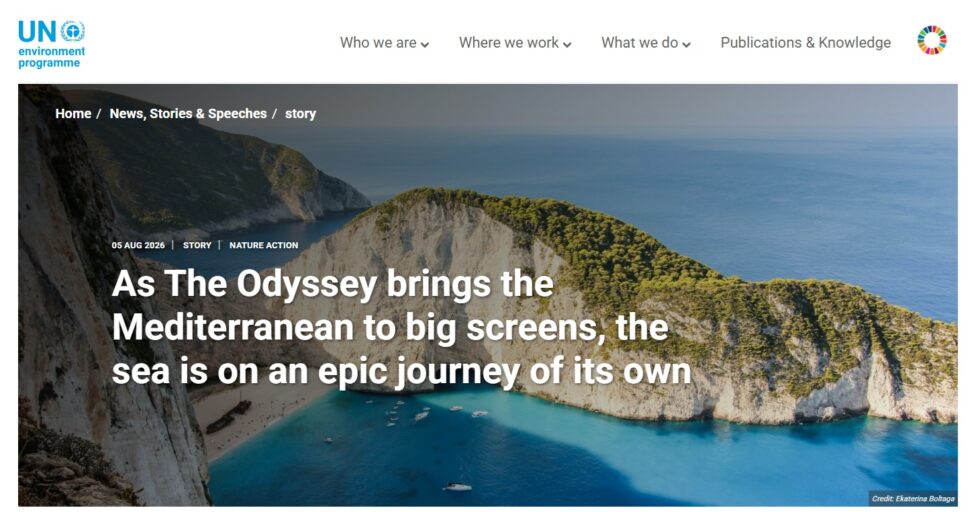
From Homer’s mythical Odyssey to the challenges of the present day, the article “As The Odyssey brings the Mediterranean to big screens, the sea is on an epic journey of its own”, published on the UNEP website on 5 August and written by Gabrielle Lipton, takes us on a journey through the Mediterranean, exploring biodiversity, climate change, pollution, and efforts to protect one of the most precious ecosystems on our planet.
Tunisia launches the preparation of its National Action Plan Plus (NAP+) under the FishEBM MED project
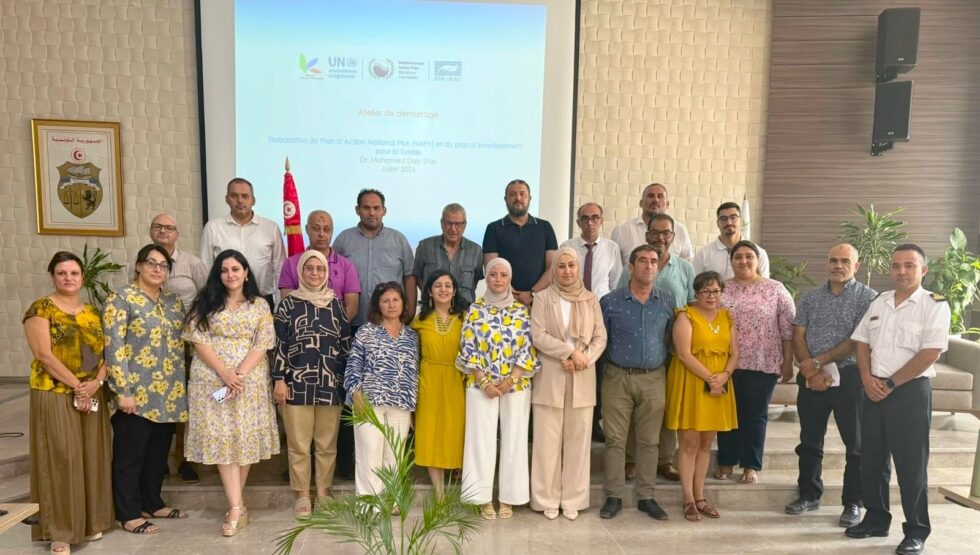
On 21 July 2026, the Ministry of Environment of Tunisia, with the support of the Specially Protected Areas Regional Activity Centre (SPA/RAC), convened the first national stakeholder meeting under the FishEBM MED project to launch the participatory process for preparing Tunisia’s National Action Plan Plus (NAP+) and its associated Investment Plan.
MPA Day • 1 August 2026
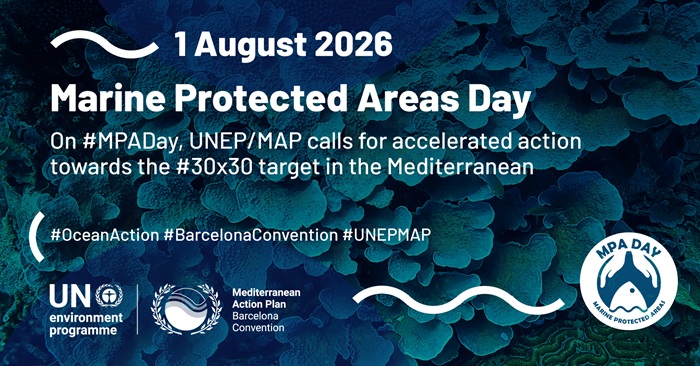
On the occasion of Marine Protected Areas (MPA) Day, the United Nations Environment Programme/Mediterranean Action Plan (UNEP/MAP) calls for accelerated action to achieve the global target of conserving at least 30 per cent of marine and coastal areas by 2030, highlighting the strong and longstanding regional commitment demonstrated by Mediterranean countries through successive ministerial declarations, regional strategies and coordinated action under the Barcelona Convention system.
New Plan Bleu Publication
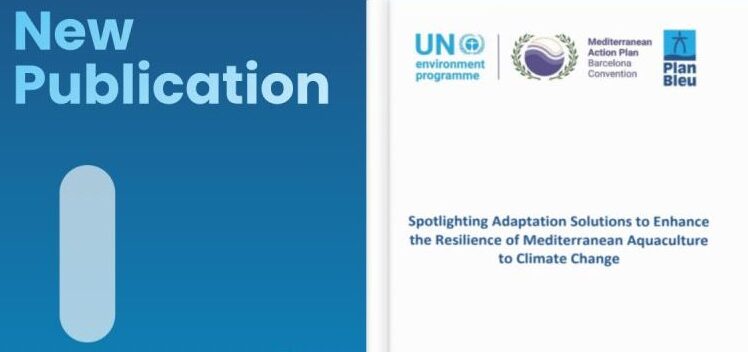
Developed within the framework of the MedAquaCC project, Plan Bleu has published the report Spotlighting Adaptation Solutions to Enhance the Resilience of Mediterranean Aquaculture to Climate Change.
Based on an extensive review of the scientific literature and the contributions of around 80 experts from the scientific community, public institutions, and the private sector specializing in Mediterranean aquaculture, the publication provides a practical approach to climate change adaptation. It identifies the sector’s main vulnerabilities, showcases examples of good practices already implemented, and offers recommendations to sustainably strengthen the resilience of Mediterranean aquaculture systems.